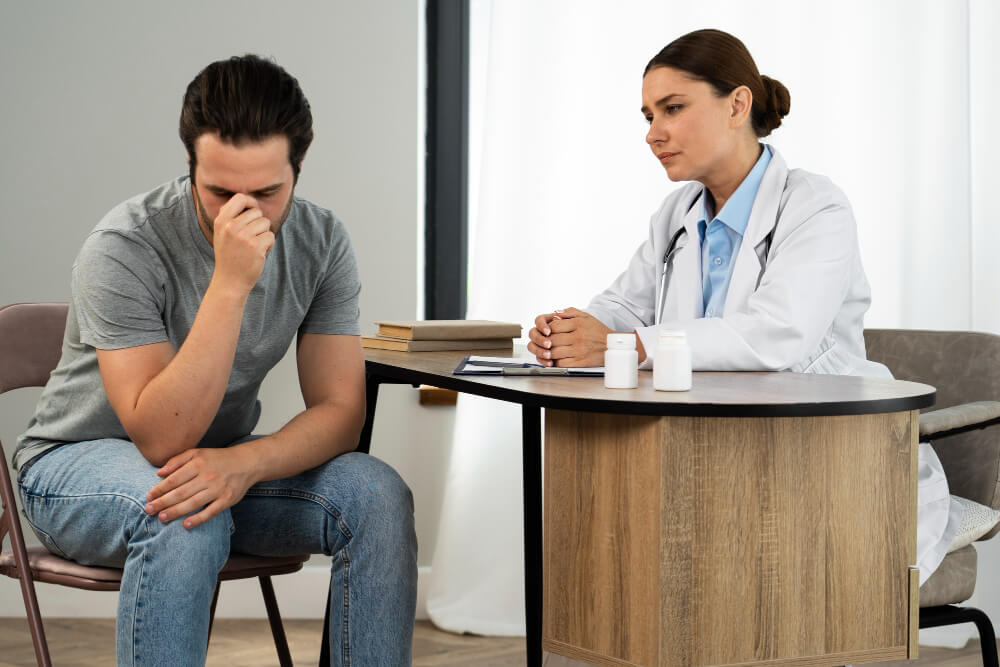
Piles are a common condition, but many people ignore the symptoms or delay treatment due to hesitation or fear. While mild cases can improve with basic care, knowing when should you see a doctor for piles is important to avoid complications and long-term discomfort.
Many people try to manage piles with home remedies, but not all cases improve without proper medical care. Ignoring symptoms or delaying treatment can lead to increased discomfort and complications over time. Consulting a doctor at the right stage helps identify the condition early and ensures that simple, effective treatment options are used for better recovery.
“Timely medical care can prevent complications and make recovery quicker and more comfortable.”
Common Symptoms of Piles
Piles can show different symptoms depending on the stage. Some common signs include:

 Bleeding during bowel movements
- Pain or discomfort while sitting
- Itching or irritation
- Swelling or lumps near the anal area
- Difficulty passing stool
When Should You See a Doctor?
You should consult a doctor if you notice any of the following symptoms. Early medical attention can prevent complications and ensure effective piles treatment.
1. Persistent Bleeding
If you notice blood during or after bowel movements regularly, it should not be ignored. Continuous or heavy bleeding may indicate worsening piles or another underlying condition that needs proper diagnosis.
2. Severe Pain or Discomfort
Mild discomfort is common, but intense or constant pain—especially during sitting or bowel movements—can be a sign of advanced piles or thrombosed hemorrhoids that require medical care.
3. Swelling or Lumps
If you feel lumps or swelling near the anus that increase in size or cause discomfort, it is important to get them checked. These may indicate external piles or complications that need treatment.
4. Symptoms Not Improving
If lifestyle changes, diet improvements, and home remedies do not provide relief within a few days, professional evaluation is necessary. Delayed treatment can make the condition worse.
5. Recurring Problem
If piles keep coming back frequently, it may indicate an underlying issue that needs proper medical management. Long-term or repeated symptoms require expert care.
6. Difficulty in Passing Stools
Struggling with bowel movements or feeling incomplete evacuation can worsen piles. If this continues, it’s important to seek medical advice to avoid further complications.
7. Mucus Discharge or Infection Signs
Unusual discharge, redness, or signs of infection should never be ignored. These symptoms require immediate medical attention.
8. When Daily Activities Are Affected
If piles start interfering with your daily routine, work, or comfort, it’s time to consult a specialist for proper piles treatment in Dehradun.
Why Early Treatment Matters?
Ignoring piles symptoms can lead to complications such as:
- Increased pain and discomfort
- Infection or discharge
- Difficulty in daily activities
- Need for advanced treatment
Early treatment helps manage the condition effectively with simple and non-surgical methods.
What to Expect During Consultation?
A doctor will usually perform a basic examination and may ask about your symptoms and medical history. This helps in identifying the stage of piles and suggesting the most suitable treatment.
Most cases can be managed with non-surgical and minimally invasive options.
Tips to Manage Symptoms Early
- Drink plenty of water
- Eat a fiber-rich diet
- Avoid straining during bowel movements
- Maintain hygiene
- Stay physically active
These steps can help reduce symptoms and support recovery.
Conclusion
Understanding when should you see a doctor for piles can prevent unnecessary pain and complications. If symptoms persist or worsen, it is always better to consult a specialist early.
Timely care ensures effective treatment and helps you return to your normal routine comfortably.
Call Us : 9411171932
Email : info@bishtpilesclinic.com
